Serving commercial aquatic facilities across New York State.

Talk With Angelo

Browse by system

Chemical Delivery and Chlorination

Chemical delivery is how sanitizer and pH chemicals physically reach the water once the controller calls for them. The delivery method shapes daily operations: how chemicals are stored, how often they are delivered, how much staff handle, and how well the system keeps up at peak demand.

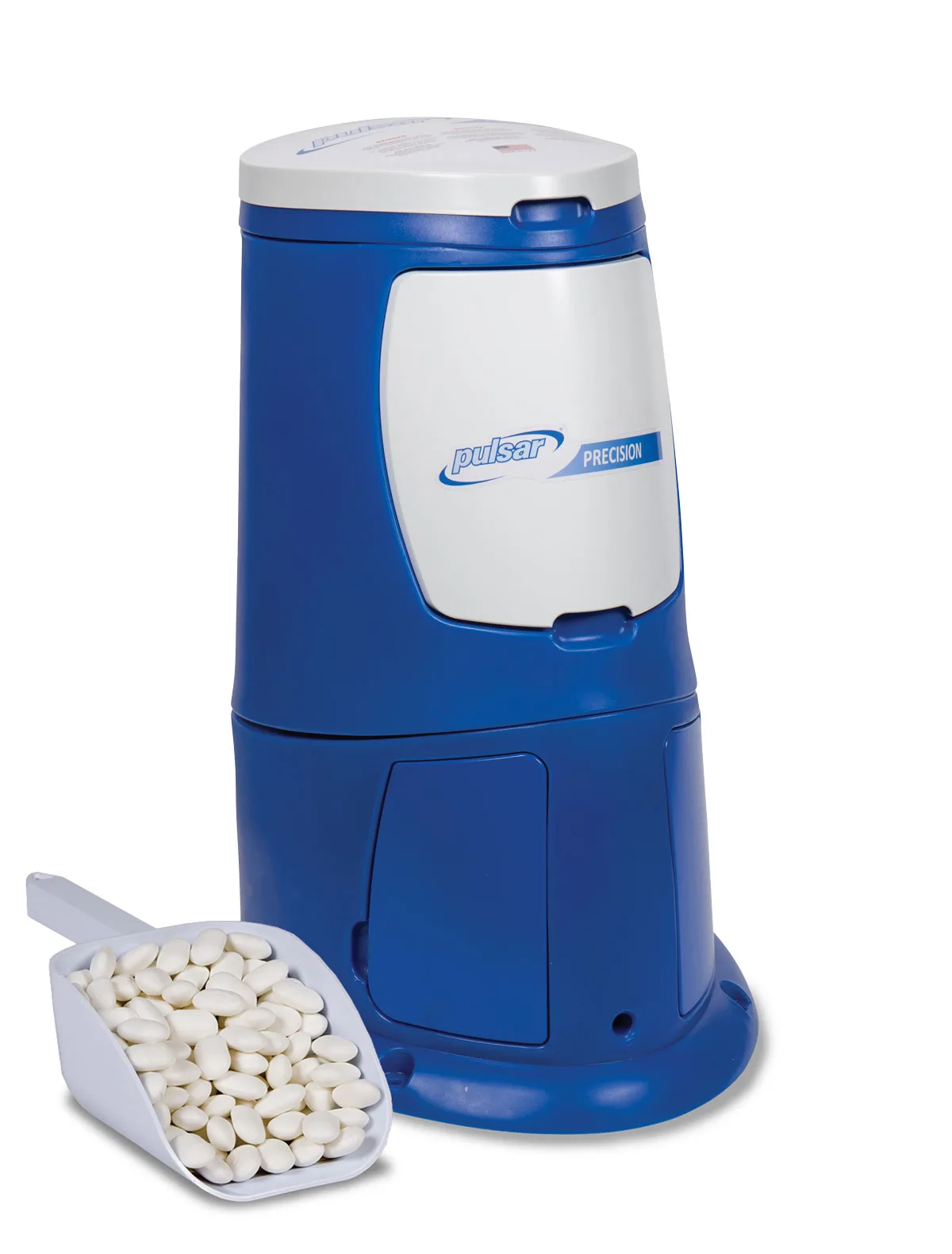
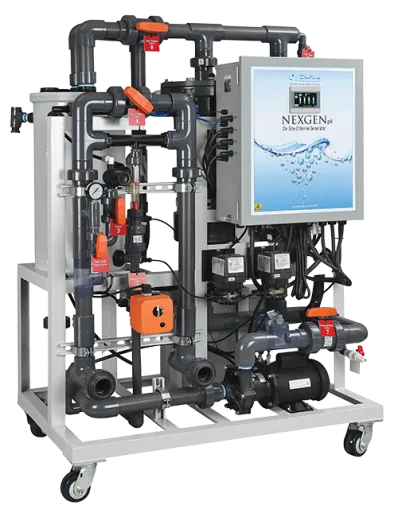
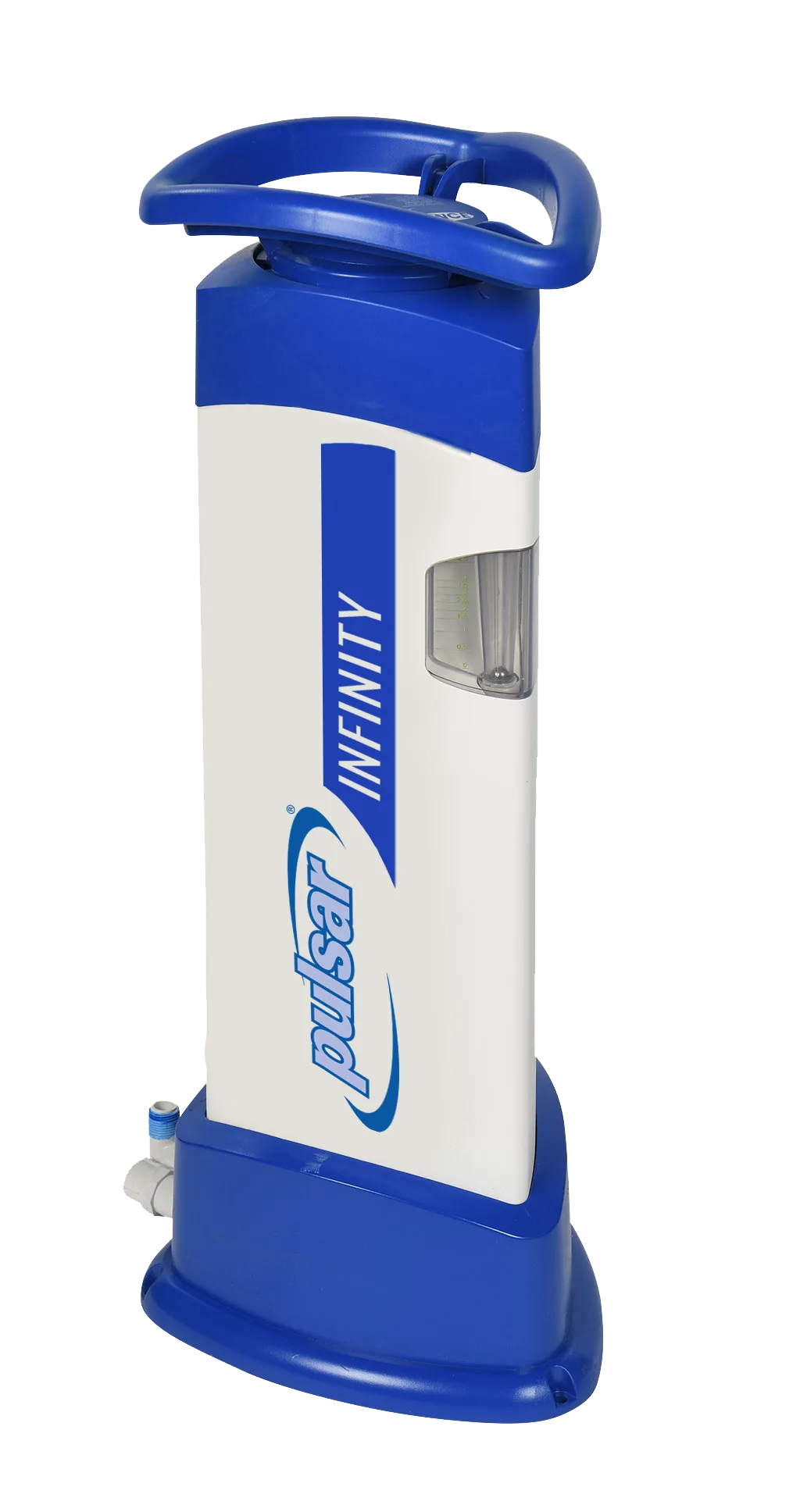
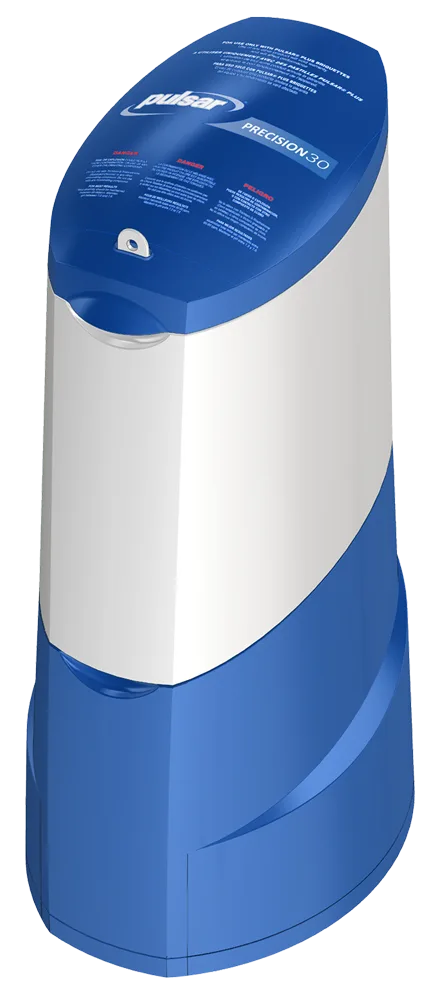
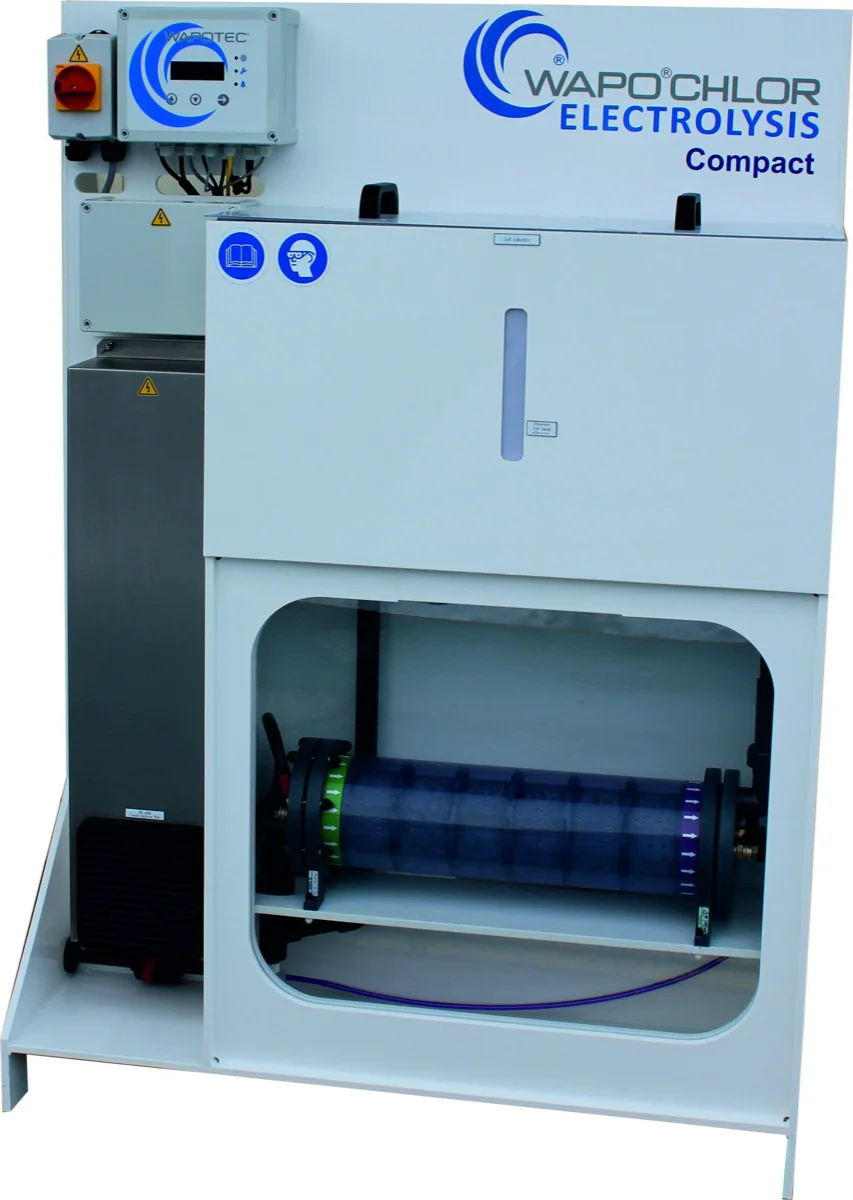
Commercial pools in New York mostly use liquid sodium hypochlorite through metering pumps, calcium hypochlorite through erosion feeders, or, less often now, gas chlorine or on-site salt generation. Trichlor tablets add cyanuric acid, which the State prohibits in public pools. FreyTech's role is to size delivery to measured demand and to install it with the interlocks, storage, and training the method requires. Alongside Pulsar calcium hypochlorite feeders, FreyTech represents WAPOTECH's WAPO Chlor on-site sodium hypochlorite electrolysis systems.

Common facility applications

  • Large competition and municipal pools moving off liquid or gas chlorine
  • Waterparks and high-bather-load facilities
  • Mid-size institutional pools where dry chemical suits storage and staffing
  • Any facility replacing worn feed equipment during a renovation

Browse by facility: Municipal · Colleges · Waterparks · Design teams · K–12 Schools · YMCA / Community · Healthcare · Hospitality · Camps / Seasonal

Selection considerations

What to decide before choosing equipment

Chlorine demand, not gallons

Daily chlorine use, peak bather load, temperature, and exposure determine capacity. Brochure gallonage is a starting point at best.

Storage and handling

Dry oxidizers need segregated, ventilated storage and a loading routine; liquids need containment and delivery access.

Water chemistry effects

Calcium hypochlorite adds calcium hardness; sodium hypochlorite raises pH and TDS. Plan pH control and water replacement accordingly.

Controls and interlocks

Every feeder should be switched by a controller with flow interlock and failsafe limits.

Approvals

Feed-equipment changes may need engineer-prepared plans and health-department approval (6-1.8).

Featured and available products

Chemical Delivery and Chlorination products

Products FreyTech can help you evaluate, and where documented, install and service. Featured items appear first; availability language is shown on each card.

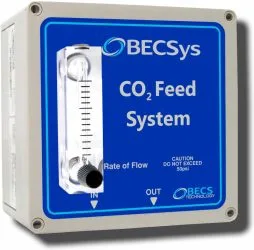
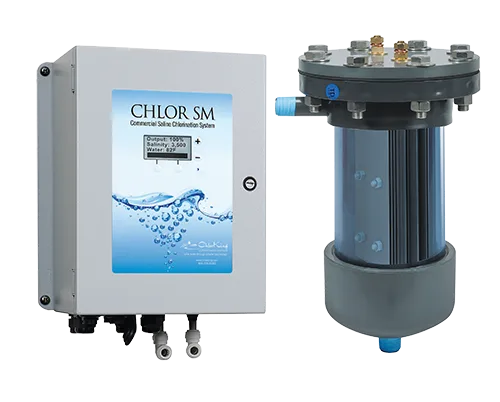
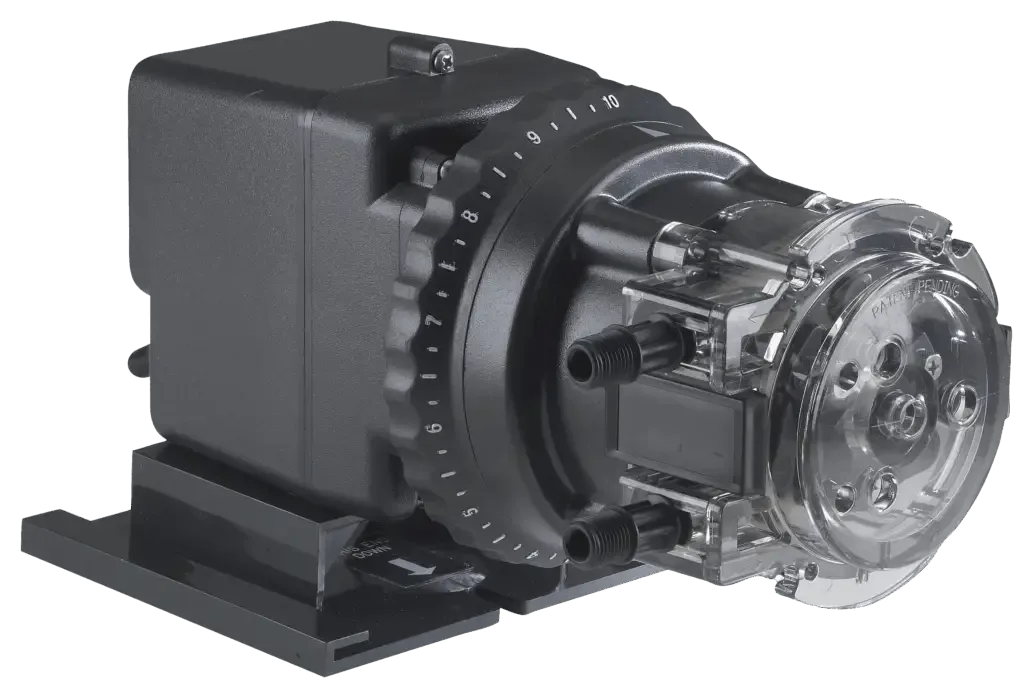
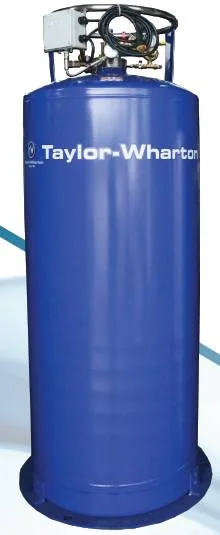
Filter the full library to chemical delivery · Manufacturers in this category: Pulsar Systems, BECS Technology, ChlorKing, Stenner Pump Company, Taylor-Wharton, WAPOTECH

Comparison guidance

Delivery approaches at a glance

Calcium hypochlorite feederLiquid sodium hypochloriteGas chlorineSalt generation
Chemical formDry briquettesBulk liquidCompressed gasSalt + electricity
StorageSegregated dry oxidizer storageContainment and delivery accessCylinder room and strict controlsSalt storage; cell room
Effect on waterAdds calcium hardnessRaises pH and TDSLowers pHAdds salinity
New York notesNo stabilizer; storage per fire codeCommon; degrades in heatQualified operator required (6-1.21)Capacity limits at large volume

FreyTech installation and service

What we do around the equipment

  • Demand assessment from operating records and bather load
  • Storage, ventilation, and fire-code review with the facility
  • Hydraulic design of the feed loop and injection point
  • Installation and commissioning with delivery verification and interlock tests
  • Operator training on loading, cleaning, and alarms
  • Scheduled feeder cleaning, wear parts, and warranty coordination

Related system categories

Usually planned together

Automated Controls

An automated controller is the decision-maker in the equipment room.

Water Testing and Monitoring

New York requires manual testing of pH and free and total chlorine at the beginning, during, and end of each swimming period with a DPD kit and fresh reagents (10 NYCRR 6-1.11).

Chemical Delivery and Chlorination: common questions

Is every large pool a candidate for a calcium hypochlorite feeder?

No. Many pools are well served by properly controlled liquid feed. We compare approaches with the facility's own chemical use, labor, delivery, and storage facts.

Why do you say trichlor is unsuitable in New York?

Trichlor tablets add cyanuric acid, which 10 NYCRR 6-1.11 prohibits in public pools.

Next step

Request a Facility Assessment

Send pool volumes, current disinfection method, and daily chlorine use if you have it. We will tell you which delivery approach fits and what storage it needs.

Serving commercial aquatic facilities across New York State.